
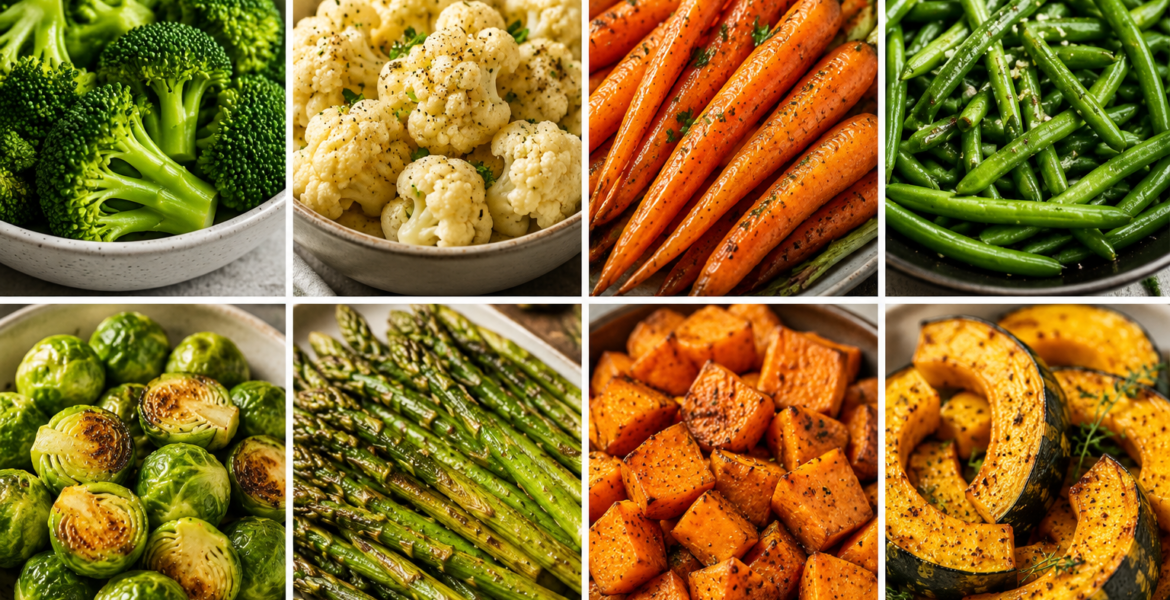
Cyclosporiasis Is Surging Across the U.S.: The Best Foods to Eat, Foods to Be Careful With, and How to Protect Yourself
The United States is experiencing one of the largest Cyclospora (cyclosporiasis) outbreaks in recent years, with hundreds of confirmed cases and thousands more under investigation. New York has been among the hardest-hit states, prompting health officials to investigate what is causing the nationwide surge.
The culprit isn’t a virus or bacteria—it’s a microscopic parasite called Cyclospora cayetanensis. While the illness is rarely life-threatening for healthy adults, it can cause weeks of severe gastrointestinal symptoms that can derail vacations, work, and everyday life.
The good news? You don’t have to swear off salads or fresh fruit. Understanding how Cyclospora spreads—and making a few smart food safety changes—can dramatically reduce your risk.
What Is Cyclosporiasis?
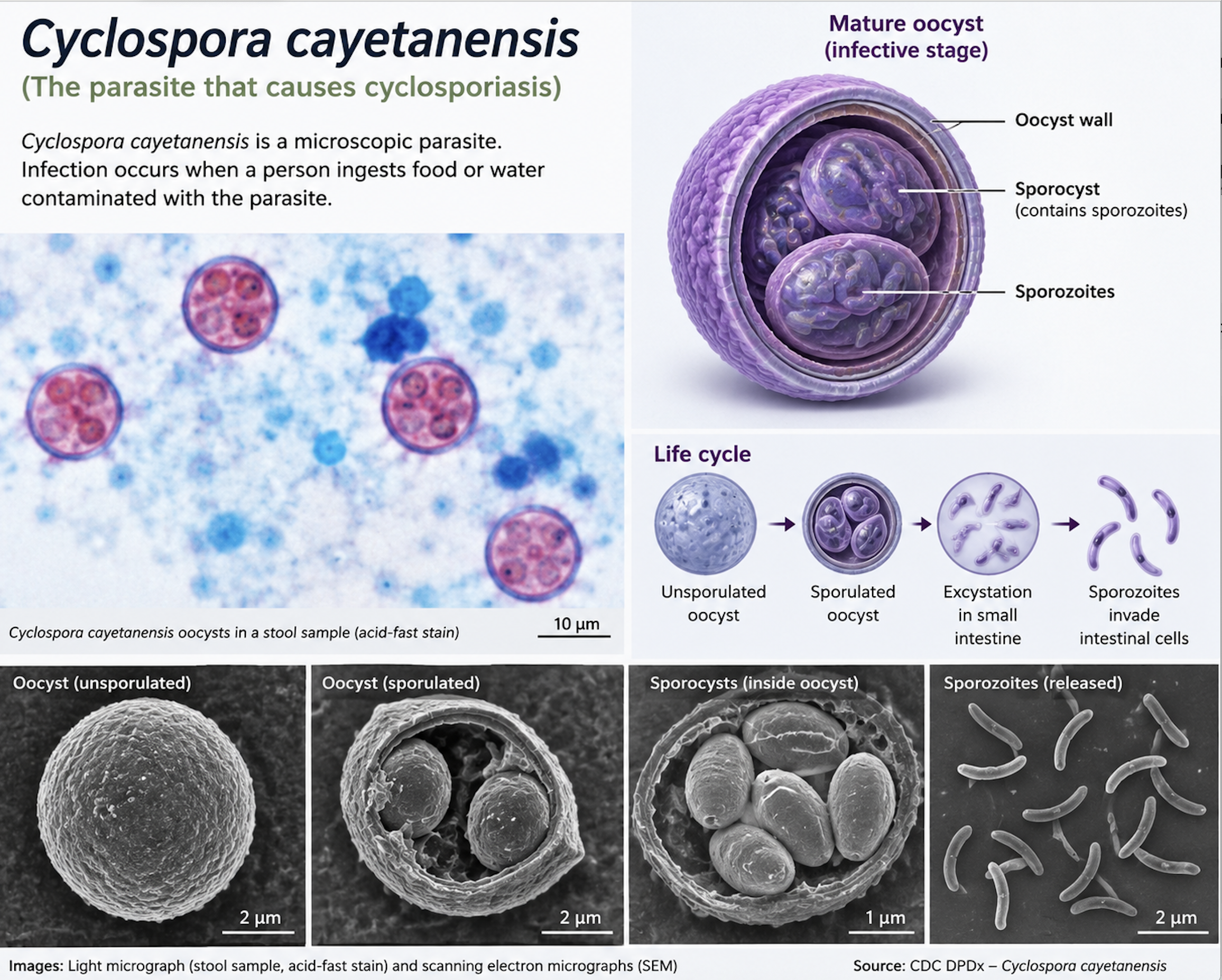
Cyclosporiasis is an intestinal illness caused by the parasite Cyclospora cayetanensis. People become infected after consuming food or water contaminated with the parasite.
Unlike many foodborne illnesses, Cyclospora is not spread directly from person to person. The parasite must spend several days in the environment before becoming infectious, making contaminated produce and water the primary sources of infection.
Symptoms to Watch For
Symptoms usually appear about one week after exposure, although they can develop anywhere from two days to two weeks later.
Common symptoms include:
- Profuse watery diarrhea
- Severe abdominal cramping
- Bloating and gas
- Nausea
- Fatigue
- Loss of appetite
- Weight loss
- Low-grade fever
- Muscle aches
One frustrating aspect of Cyclospora is that symptoms often improve and then return days later. Without treatment, the illness may last several weeks or even longer.
Which Foods Have Been Linked to Cyclospora?
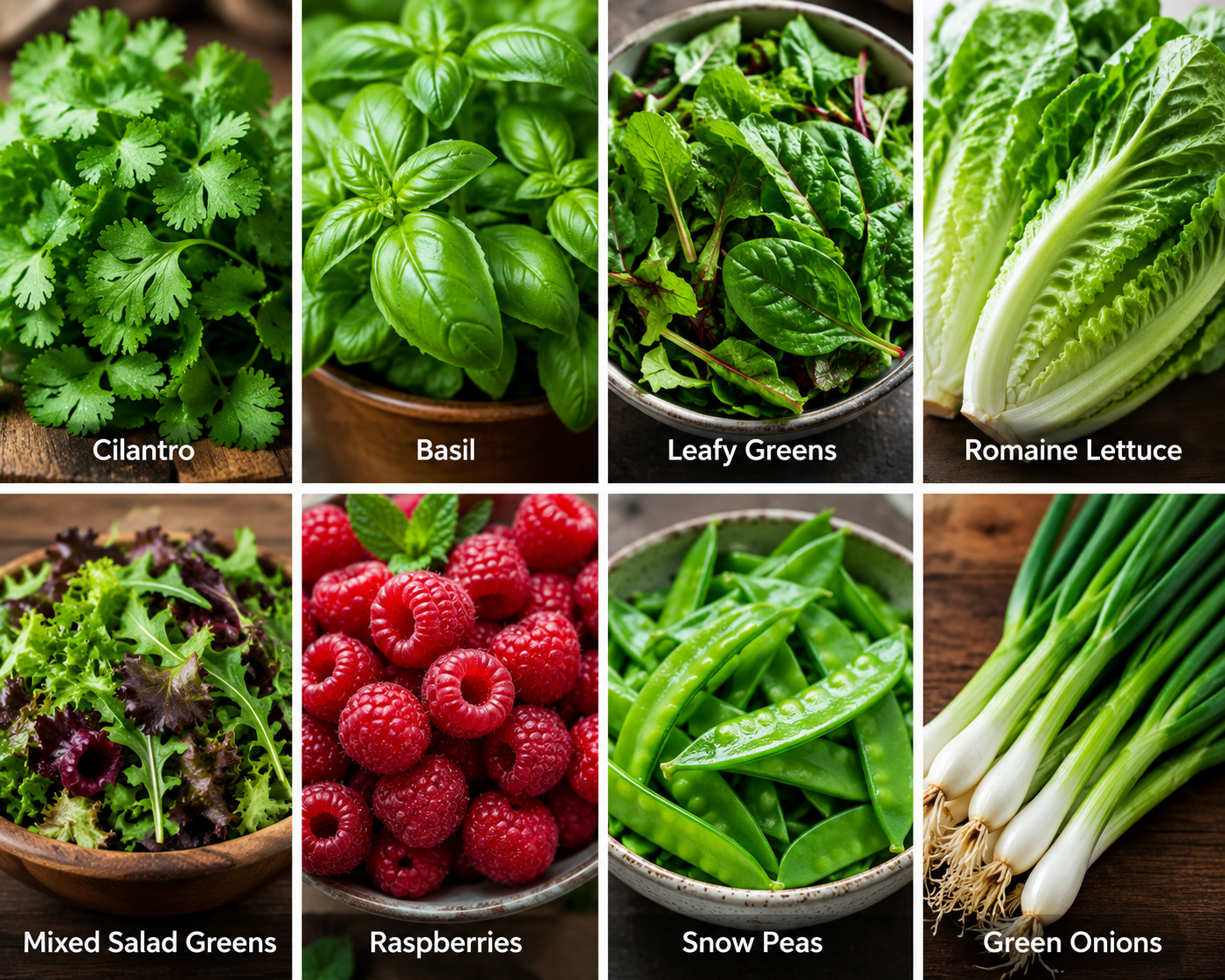
Health officials have not yet identified the source of the 2026 outbreak. However, previous outbreaks have most often been associated with fresh produce eaten raw.
Historically implicated foods include:
- Cilantro
- Basil
- Leafy greens
- Romaine lettuce
- Mixed salad greens
- Raspberries
- Snow peas
- Green onions
That does not mean these foods are unsafe today. It simply means they deserve extra attention when washing and preparing them until investigators identify the current source.
The Safest Foods During the Outbreak
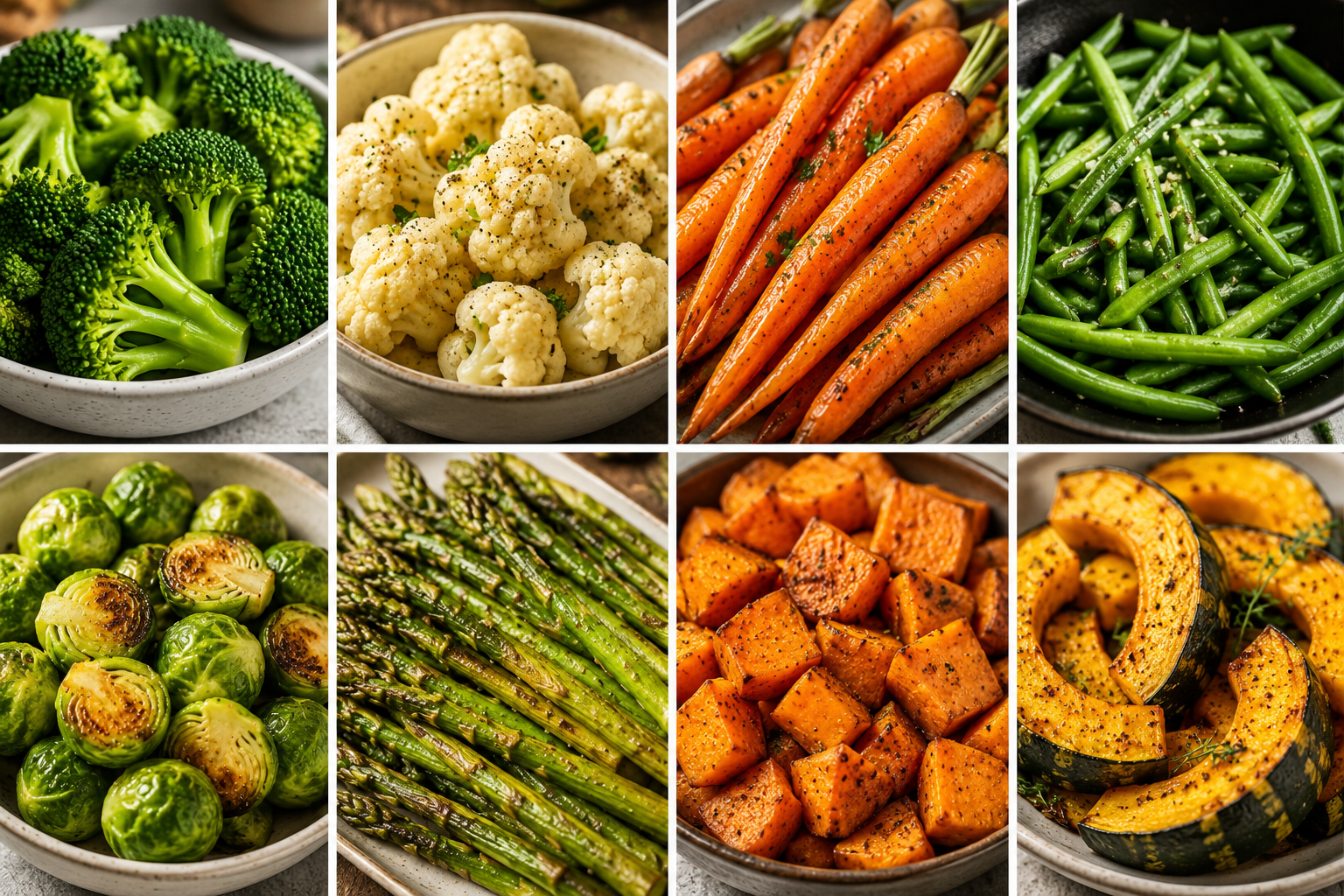
You don’t need to eliminate fresh produce. Instead, consider emphasizing foods that either have natural protection or are typically cooked before eating.
Cooked Vegetables
Heat destroys many foodborne pathogens and significantly reduces food safety risks.
Excellent choices include:
- Broccoli
- Cauliflower
- Carrots
- Green beans
- Brussels sprouts
- Asparagus
- Sweet potatoes
- Winter squash
Steaming, roasting, grilling, or sautéing vegetables is a simple way to enjoy their nutritional benefits while lowering risk.
Fruits You Peel Yourself
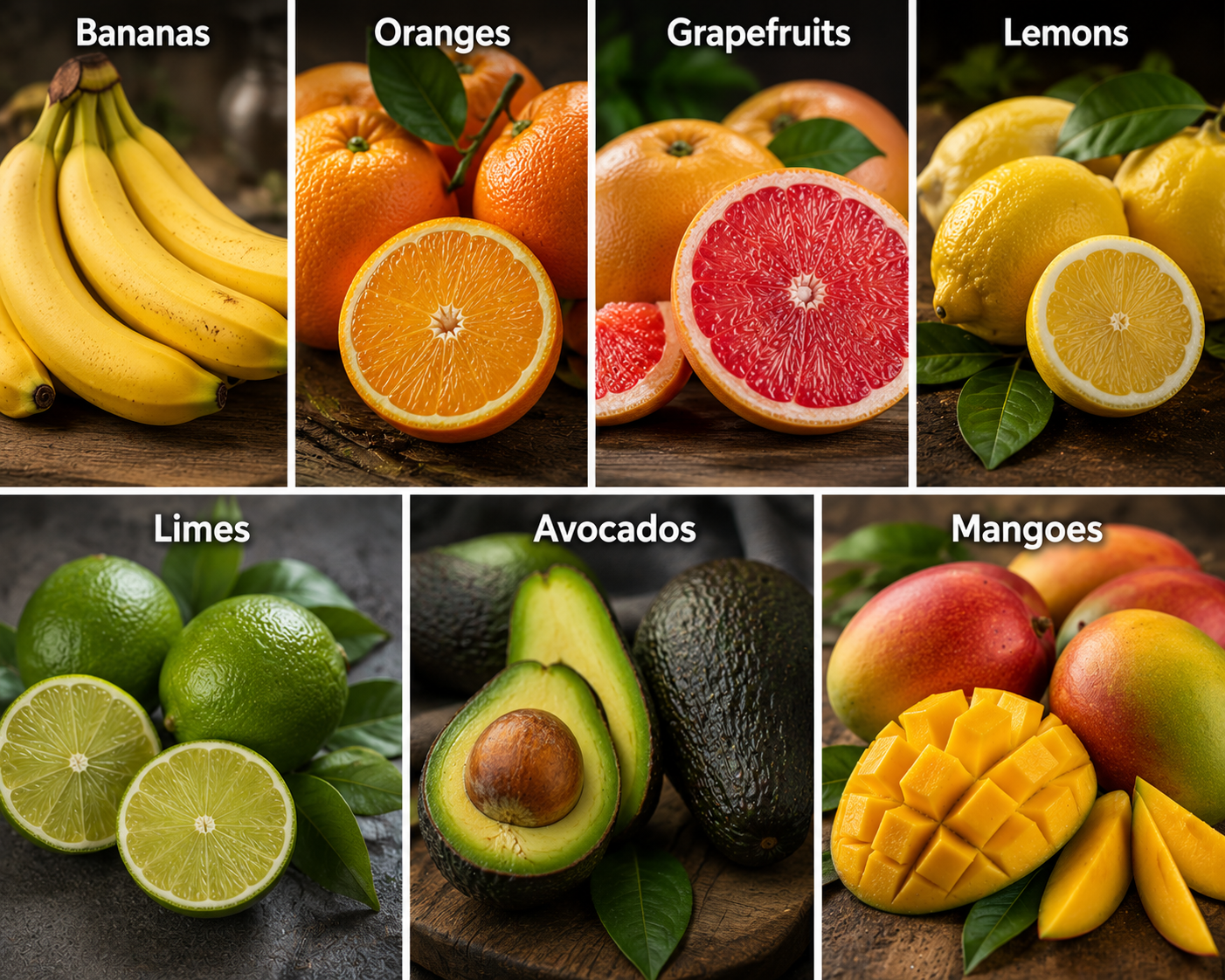
A thick peel provides an additional barrier against contamination.
Good options include:
- Bananas
- Oranges
- Grapefruits
- Lemons
- Limes
- Avocados
- Mangoes
Wash the outside before peeling so contaminants aren’t transferred to the edible portion.
Cooked Fruits
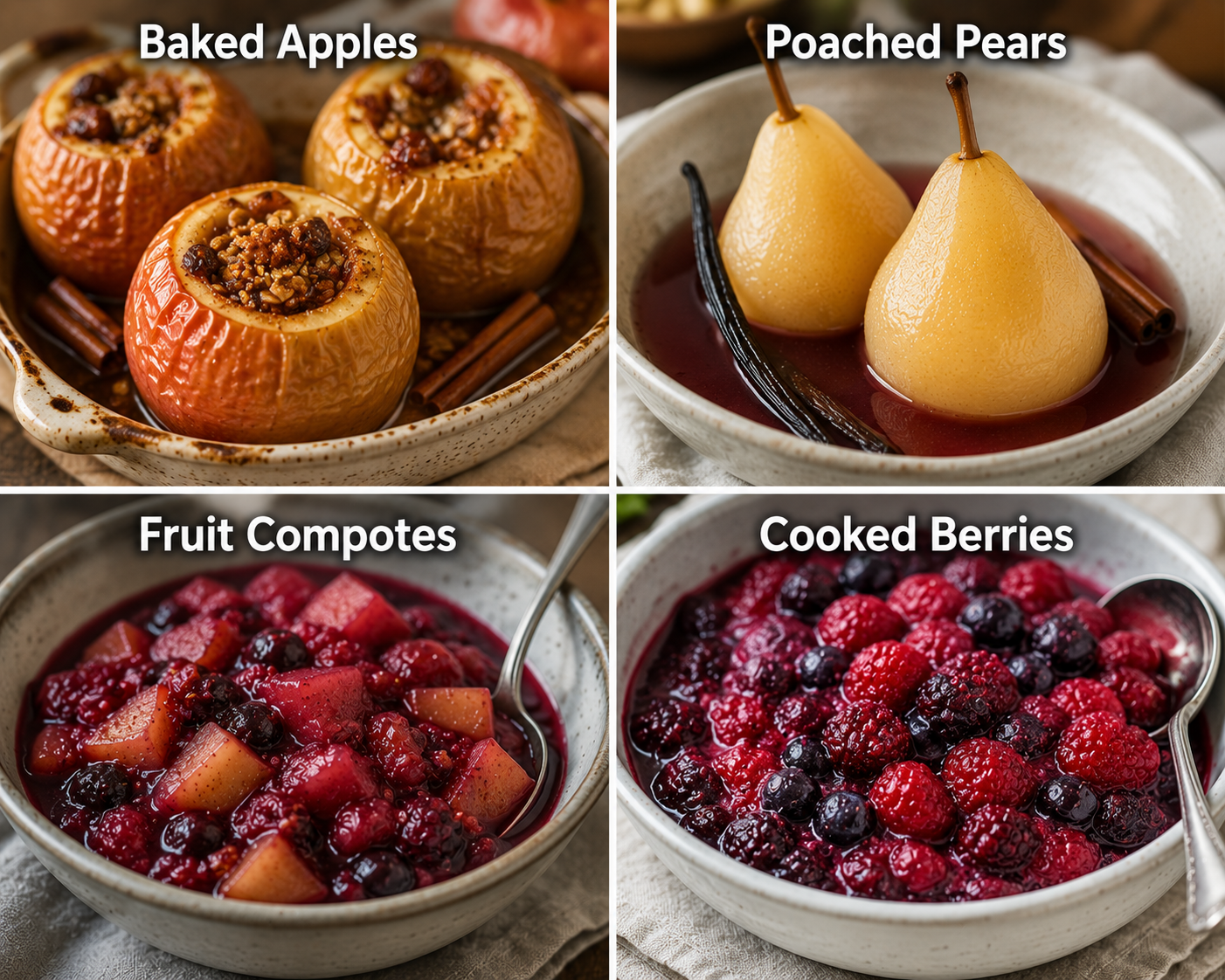
Baked apples, poached pears, fruit compotes, and cooked berries are delicious alternatives during periods of increased concern.
Frozen Fruits and Vegetables
Commercially frozen produce has not been commonly associated with Cyclospora outbreaks and offers an excellent option for smoothies, soups, stir-fries, and side dishes.
Produce That Deserves Extra Care

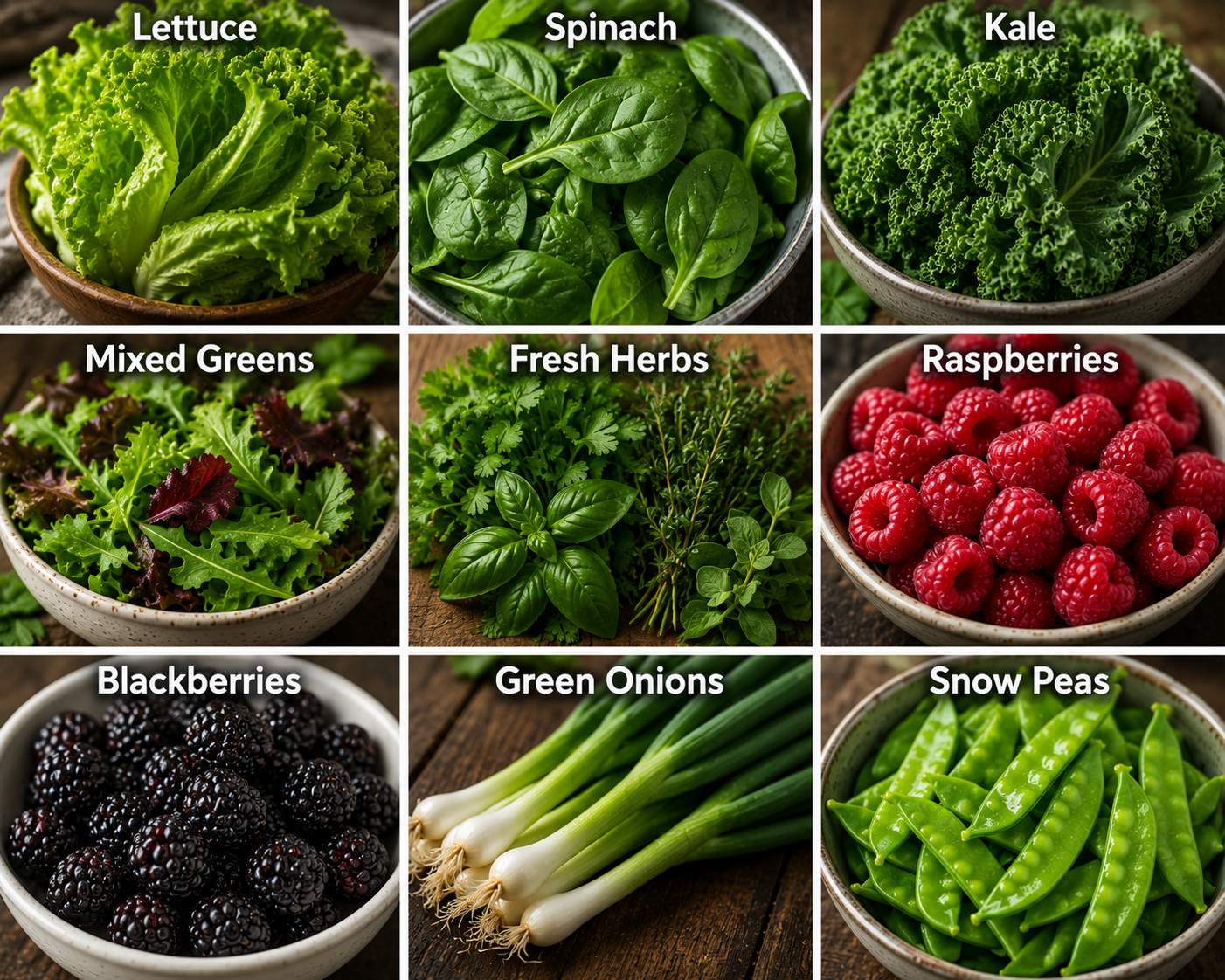
You don’t necessarily need to avoid these foods—but they should be washed carefully.
These include:
- Lettuce
- Spinach
- Kale
- Mixed greens
- Fresh herbs
- Raspberries
- Blackberries
- Green onions
- Snow peas
These foods have many folds, leaves, or delicate surfaces that make them more difficult to clean thoroughly.
Smart Food Safety Habits That Make a Difference
Wash Produce Under Running Water
Rinse fruits and vegetables thoroughly under cool running water.
Do not rely on a quick rinse.
For leafy greens:
- Separate individual leaves.
- Wash each leaf individually.
- Remove damaged outer leaves.
Firm produce like cucumbers or melons can be gently scrubbed using a clean produce brush.
Wash Your Hands
One of the easiest ways to reduce foodborne illness is proper handwashing.
Wash your hands:
- Before preparing food
- After handling raw produce
- After using the restroom
- Before eating
Soap and warm water remain the gold standard.
Refrigerate Promptly
Cut fruits and vegetables should be refrigerated within two hours.
Cold temperatures help slow the growth of many foodborne organisms and maintain food quality.
Avoid Cross-Contamination
Use separate cutting boards for produce and raw meat.
Wash knives, cutting boards, and countertops thoroughly after food preparation.
Drink Safe Water
If you’re hiking, camping, or traveling, avoid untreated water from lakes, rivers, or streams.
When in doubt:
- Drink bottled water.
- Boil water before use.
- Use appropriate filtration when necessary.
Should You Stop Eating Salads?
No.
Nutrition experts and public health officials continue to recommend eating fruits and vegetables because of their enormous health benefits.
The key message isn’t to eliminate produce—it’s to prepare it safely.
If you’re especially concerned, consider replacing some raw salads with:
- Roasted vegetable bowls
- Stir-fries
- Vegetable soups
- Grilled vegetables
- Grain bowls featuring cooked vegetables
These meals remain rich in fiber, vitamins, and antioxidants while reducing reliance on raw produce.
What If You Think You Have Cyclospora?
If you’ve experienced persistent watery diarrhea lasting several days—especially if symptoms return after briefly improving—contact your healthcare provider.
Cyclospora isn’t detected by every routine stool test, so your clinician may need to order testing specifically for the parasite.
Most healthy adults recover, but treatment with the antibiotic trimethoprim-sulfamethoxazole is often recommended when appropriate. Staying hydrated is also essential.
Frequently Asked Questions
Can I get Cyclospora from another person?
Direct person-to-person spread is extremely unlikely because the parasite must mature outside the body before it becomes infectious.
Should I wash “pre-washed” salad?
Current CDC guidance states that produce labeled “prewashed” or “ready-to-eat” does not need to be washed again at home. However, many consumers choose to exercise additional caution during active outbreak investigations.
Is cooking the safest option?
Cooking generally provides an additional layer of protection compared with eating raw produce, making cooked vegetables an excellent choice during outbreaks.
Final Thoughts
The current Cyclospora outbreak is a reminder that food safety begins in our own kitchens. While investigators continue searching for the contaminated food source, there’s no reason to panic—or to give up eating healthy foods.
Instead, focus on simple habits that make a meaningful difference:
- Wash fresh produce thoroughly.
- Choose cooked vegetables more often.
- Peel fruits whenever possible.
- Practice excellent hand hygiene.
- Refrigerate foods promptly.
- Stay informed as public health guidance evolves.
Fresh produce remains one of the healthiest parts of any diet. With a little extra care, you can continue enjoying its nutritional benefits while minimizing your risk during this unusual outbreak.
